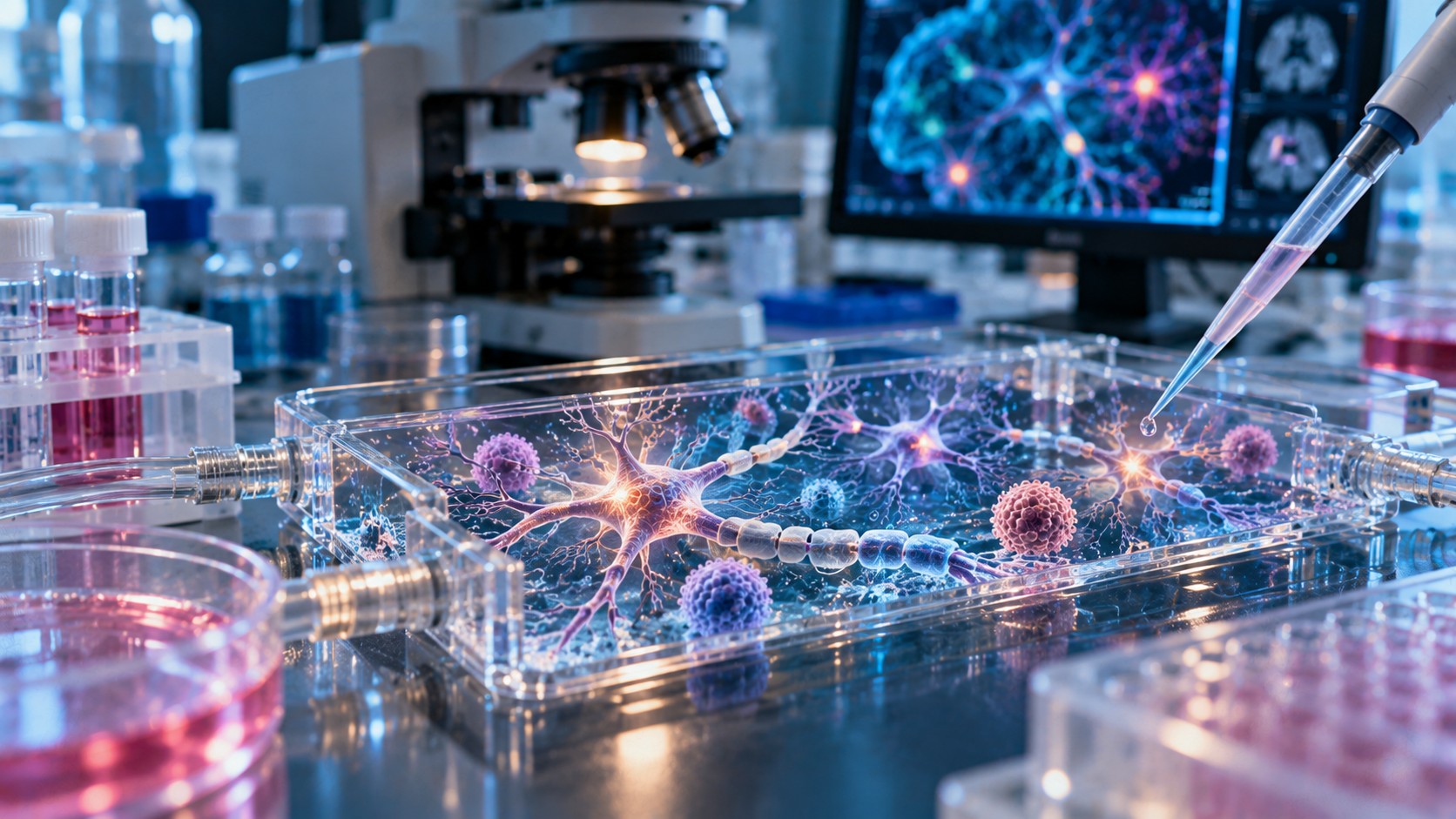
Managing a chronic neurological disease is rarely a matter of finding one treatment and staying with it forever. Multiple Sclerosis can change over time, and a therapy that once controlled disease activity may later provide a different balance of benefits and limitations. Persistent symptoms, new disease activity, or gradual disability can leave patients and physicians considering what other options might be worth investigating.
This is where stem cell treatment enters a much broader medical discussion. It is not simply an alternative to conventional care, nor should it be presented as a universal solution. Instead, cellular approaches are being studied because they may influence biological processes involved in inflammation, immune regulation, tissue protection, and repair.
Why Conventional Management May Not Resolve Every Problem
Modern MS care has several important goals. Disease-modifying therapies can reduce inflammatory activity and lower the frequency of relapses for appropriate patients. Symptom management and rehabilitation can also help people maintain mobility, independence, and quality of life.
Yet controlling disease activity does not necessarily reverse neurological damage that has already occurred.
A person may continue to experience:
- weakness or impaired coordination;
- fatigue;
- sensory changes;
- walking difficulties;
- cognitive problems;
- persistent pain or spasticity.
Progressive forms of the disease can create an additional challenge because disability may increase even when obvious relapses are less frequent.
This distinction explains why researchers continue to investigate approaches that go beyond suppressing inflammation alone.
What Makes Cellular Approaches Different?
Traditional medications generally act through defined pharmacological pathways. Cellular medicine introduces a different concept: using living cells or cell-derived biological signals to influence the body’s own processes.
Depending on the technology being studied, potential mechanisms may include modulation of immune responses, interaction with inflammatory pathways, support for cell survival, and communication with damaged tissues.
This field is particularly relevant to regenerative medicine because researchers are asking whether cellular interventions could help create conditions that are more favorable to tissue protection and repair.
STEM PLUS works at the intersection of clinical cell therapy and biotechnology, with its activities focused on cellular and regenerative medicine. Its approach and available clinical information can be found at https://stemplus.clinic/.
Stem Cells Do Not All Work the Same Way
The expression “stem cell treatment” can make very different technologies sound identical. In reality, cell populations can differ substantially in their biological characteristics and proposed mechanisms.
Some approaches are investigated primarily for their immunomodulatory properties, while others are studied for their potential interaction with damaged tissues or signaling pathways.
The Intended Biological Effect Matters
When evaluating a cellular strategy, an important question is not simply which cells are being used, but why they are being used.
A proposed treatment may focus on:
- reducing harmful inflammatory signaling;
- supporting neuroprotective processes;
- influencing the local tissue environment;
- encouraging mechanisms associated with repair.
These objectives should be clearly distinguished from the promise of restoring all lost neurological function.
When Is Additional Evaluation Necessary?
Considering an emerging therapy requires a careful assessment of the individual’s disease rather than relying on diagnosis alone.
Doctors may need to review disease duration, previous treatments, relapse history, MRI findings, neurological function, current symptoms, and general health. The same cellular strategy may not have the same relevance for someone with active inflammatory disease and someone with long-established disability.
This is also why cellular treatment should not automatically replace established MS management. A patient may still require disease-modifying medication, rehabilitation, symptom control, or other forms of neurological care.
The Regenerative Question
One of the most interesting aspects of cellular research is its focus on the environment surrounding damaged neural tissue.
The nervous system has some capacity for remyelination and repair, but persistent inflammation and axonal injury can interfere with these processes. Scientists are therefore investigating whether cellular signals could influence immune activity or support conditions in which endogenous repair mechanisms function more effectively.
This remains a complex area of research. Laboratory findings and early clinical observations cannot automatically be interpreted as proof of a predictable therapeutic effect.
A More Individual Approach to Difficult Cases
When conventional care does not fully address a person’s needs, the next step should not simply be choosing the newest available therapy. It should be understanding why the current approach is insufficient and what biological problem remains.
For some patients, the main concern may be continuing inflammatory activity. For others, accumulated neurological damage, progressive disability, or persistent symptoms may dominate the clinical picture.
Cellular medicine offers researchers another way to investigate these problems, particularly where immune regulation and tissue repair intersect.
The future of stem cell research in MS will depend on identifying which cellular mechanisms are genuinely useful, which patients may benefit, and how these approaches can be evaluated safely alongside established neurological care. That patient-specific perspective is likely to remain central as regenerative medicine develops.